

Ancient Origins of Gambling
The history of gambling can be traced back thousands of years to ancient civilizations. Archaeological evidence suggests that the Chinese were playing a form of lottery as early as 200 BCE. Similarly, the Romans enjoyed games of chance, often betting on gladiatorial contests and chariot races. These early instances of gambling highlight humanity’s long-standing fascination with risk and reward, laying the groundwork for the structured casino environments we see today. In Australia, finding the best online casino in australia can provide you with a similar thrilling experience.

The earliest gambling games were simple, relying primarily on luck. Dice, for instance, were used in many ancient cultures, including the Egyptians and Mesopotamians. These early games showcased the dual nature of gambling: the thrill of chance coupled with the strategic decisions of players. Such activities not only served as entertainment but also reflected social hierarchies and cultural practices.
The Birth of Formal Casinos
The transition from informal betting games to organized casinos began in the 17th century in Europe. The first official casino, the Ridotto, was established in Venice in 1638, providing a legal venue for gambling. This marked a significant shift in how games of chance were perceived, as they became a regulated and socially accepted activity. The concept of the casino spread quickly, with establishments opening in major cities across Europe.
During this period, card games gained popularity, reflecting a blend of skill and chance. Games like Baccarat and Poker began to emerge, incorporating strategies that required both luck and skill, appealing to a broader audience. The rising popularity of casinos also prompted governments to impose regulations, leading to a more structured gambling environment.
The Rise of American Casinos
The 19th century saw the emergence of casinos in the United States, influenced by European traditions. The Gold Rush in the mid-1800s brought a surge of prospectors to the West, leading to the establishment of saloons and gambling houses. Places like New Orleans and San Francisco became hubs for gambling activities, creating a unique blend of culture and chance.
Technological Advancements and Online Gambling
The advent of the internet in the late 20th century revolutionized the gambling landscape. Online casinos emerged, allowing players to experience the thrill of gambling from the comfort of their homes. This shift not only expanded access to a global audience but also introduced a plethora of games that catered to various preferences, including slots, poker, and live dealer games.
The rise of technology also brought innovations in security, payment methods, and game design. Players can now enjoy seamless transactions and advanced graphics, enhancing the overall gaming experience. The convenience of mobile gambling has further solidified the popularity of online casinos, reflecting current trends in consumer behavior.
Future Trends in Casino Gaming
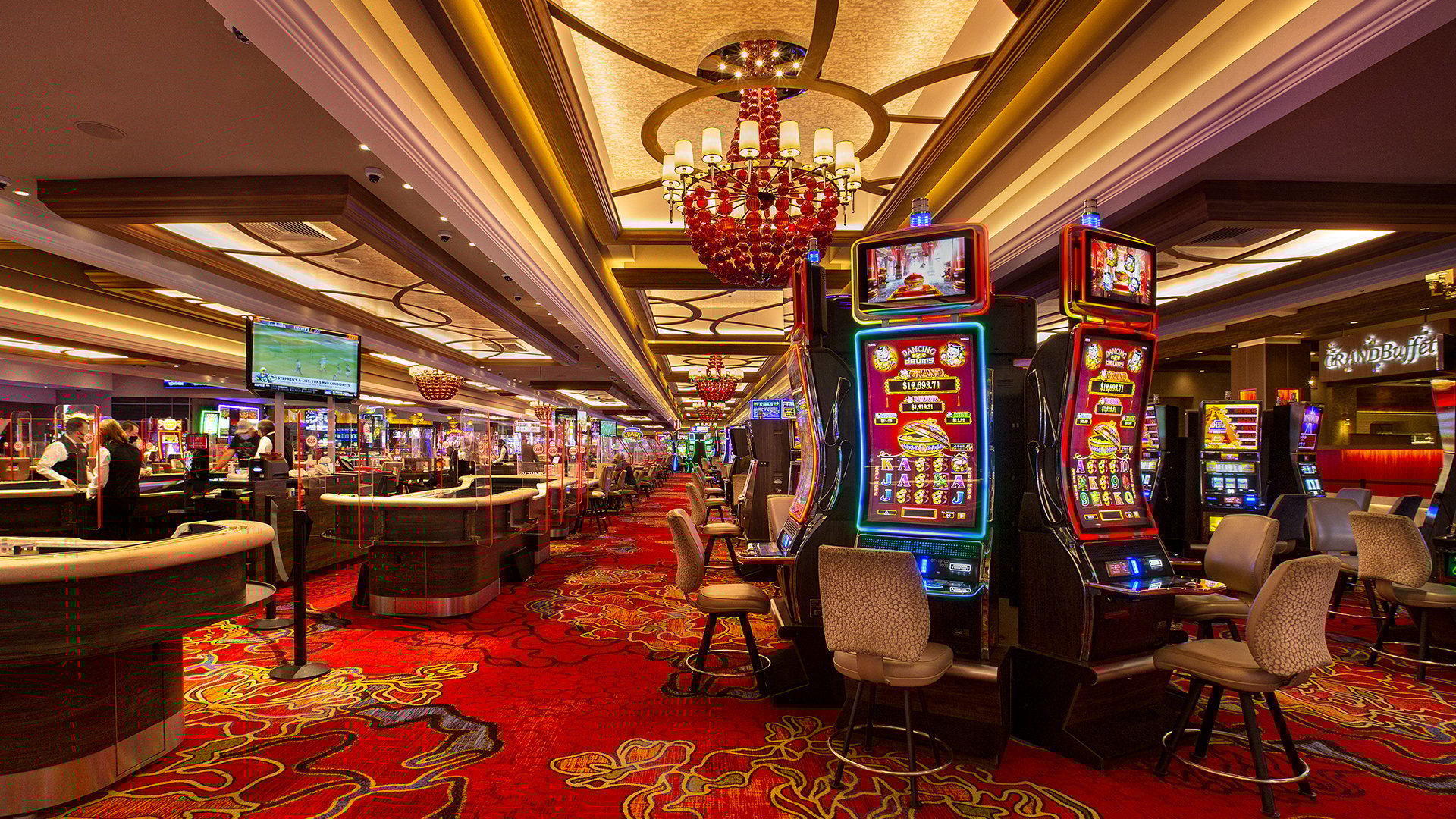
As the gambling industry continues to evolve, several trends are shaping the future of casinos. The integration of virtual reality (VR) and augmented reality (AR) is expected to create immersive gaming experiences that blur the lines between digital and physical casinos. Additionally, the rise of cryptocurrency as a payment option is gaining traction, providing enhanced security and anonymity for players.
Moreover, a focus on responsible gambling is emerging, with casinos implementing measures to promote player welfare. This shift reflects a growing recognition of the social responsibilities that come with gambling. As the landscape continues to change, the balance between luck and skill will remain a central theme, influencing how future games are designed and played.